A website that ranks on Google doesn’t come together by luck. Got a nice logo and some pretty images? Those alone aren’t enough to get you ranked.
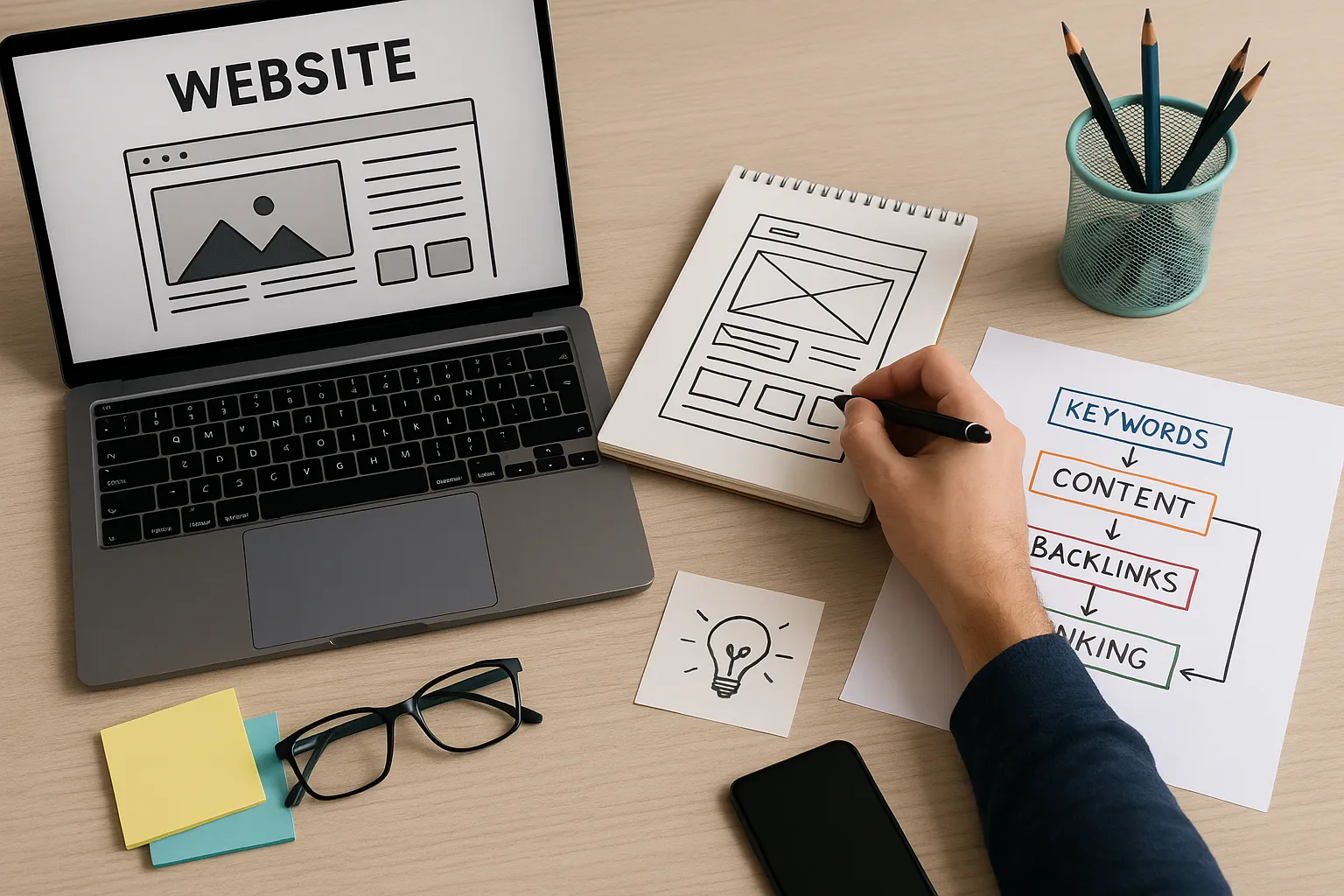
The reality is, if you want to create a website that brings in a good amount of visitors, you need a proper website-building process behind it.
In fact, studies show that almost 75% of people judge a business based on its website design alone (yes, judging a brand by its cover is real). That’s why getting this right from the start is extremely important.
In this article, we’re going to talk about each stage of building your own website. We’ll share:
- How to plan your site structure
- Ways you can build a site with SEO in mind
- How to handle the small details that actually move the needle.
Keep reading to know more about each step of the website-building process.
The Website Build Process Starts Before Any Design Work
The website build process begins with research and planning, long before anyone opens a design tool. The reason is simple. Without a solid foundation, you can’t carry out a successful development project.
That means understanding who you’re building for and mapping out a website structure that supports your goals should be your first step.
Here’s a brief idea of what you need to do first.
Getting to Know Your Target Audience First
We start by asking questions about your customers: What do they search for? What problems need solving? This early research moulds the entire development process.
Your target audience influences everything from layout choices to the words on each page. If you skip this step, you’re simply going to end up guessing, which rarely leads to a site that performs well (trust us, we’ve cleaned up those messes before).
Planning a Site Structure That Makes Sense
A clear site structure helps visitors find what they need without clicking around aimlessly.
Here’s the thing, though: search engines also prefer logical structures because they make pages easier to crawl and index.
Which is why we map out your pages early in the web development process so nothing important gets buried. When you build a user-friendly layout, people stick around longer and find what they came for.
Designing for Humans and Search Engines Together
When you get the design right from the start, it saves you from expensive redesigns and keeps the visitors on your pages. Otherwise, it’s back to the drawing board. A professional website needs to work for both users and search engines at the same time. That’s why SEO friendly web design is important.
Look at some characteristics of a good website design:
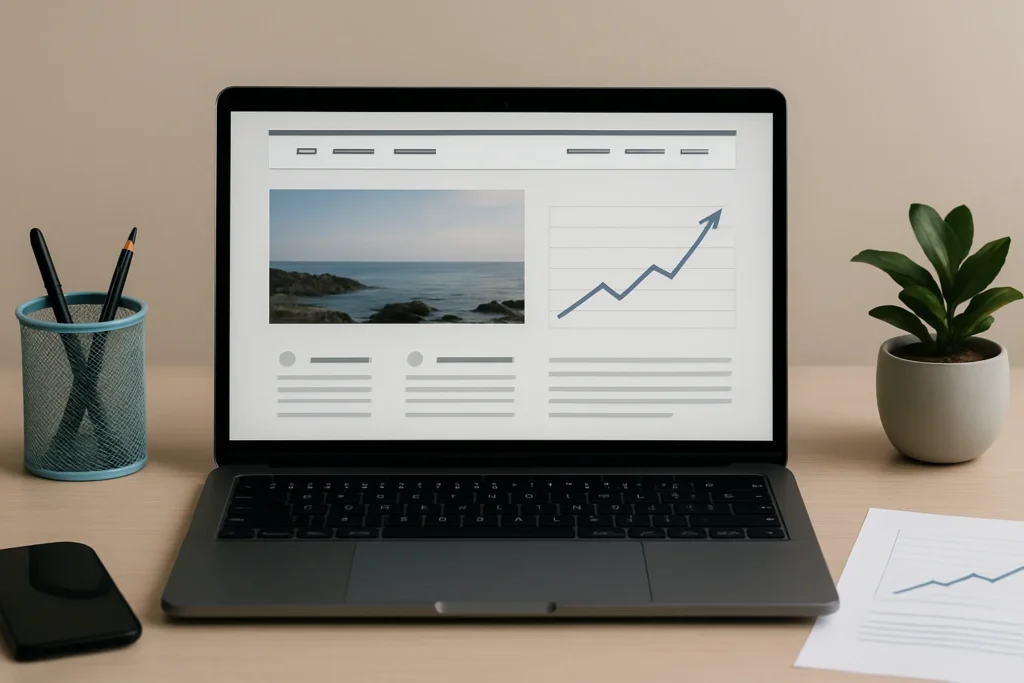
- Visual Appeal: Good web design balances visual appeal with usability. Your website layout should feel clean and simple to move through.
- Easy Interface: The user interface needs to guide people toward what they’re looking for, not leave them confused. If visitors can’t figure out where to click, they’ll leave.
- Mobile Layout: A mobile-friendly site loads fast, uses readable fonts, and has buttons big enough to tap without zooming in. Plus, most people browse on their phones these days, so having an effortless mobile experience is essential for keeping visitors engaged.
Pro tip: Focus equally on your mobile site. It often gets more traffic than the desktop, so it needs just as much attention during the web design process to attract visitors and keep them engaged.
Where the Web Development Process Gets Technical
The web development process gets technical the moment your visual design starts to become elements that make the site work properly. This development phase is when our web developers turn visuals into working pages, and a solid SEO strategy gets built into every step rather than tacked on later.
Take a look at the process to get an idea about how things work during this phase.
Building With an SEO Strategy From the Ground Up
Our team writes clean code using the right programming language for your project. It’s because search engines prefer websites that are easy to read and understand.
Why does this matter so early? Well, we set up proper heading structures, meta tags, and URLs during the build, instead of after.
This groundwork includes structured data that helps search engines understand what each page is about. It also means planning internal links so visitors and search bots can move through your site without hitting dead ends.
Pro tip: Get the SEO right during web development. It saves time, and you won’t have to go for major redesigns or restructuring later. That avoids costly fixes caused by missed optimisation opportunities or technical errors.
On Page SEO and Core Web Vitals Done Right
Core web vitals measure speed, responsiveness, and visual stability. These technical seo factors affect where you’re displayed in search results (yes, Google actually scores you on this).
Which is why we focus on these three things:
- Optimising images
- Minimising code bloat
- Testing load times across different devices
Fun fact: On-page seo also covers your title tags, target keywords, and content that matches what people actually type into search engine optimisation tools. In the end, every detail adds up when you want search engines to take your site seriously.
Why Do Small Details Affect Your Search Results?
Small details affect your search results because search engines rely on tiny technical and content signals to understand your pages and decide whether they deserve to rank.
Sounds minor, right? Not quite. In fact, these bits and pieces of small details help search engines figure out what your pages are about and whether they deserve to show up for relevant search queries.
Here are some methods you can try to boost your site’s details:
Add Descriptive Alt Text to Every Image
Alt text tells search engines what an image shows since they can’t see pictures themselves. When you add descriptive alt text, you’re giving Google SERP crawlers more context about your content.
Good alt text also helps visitors using screen readers understand your visual content properly. That’s why we write alt text that describes images naturally without forcing keywords where they don’t belong. This small step can boost your search results and make your site more accessible to everyone.
Local SEO Tips for Brisbane Businesses
Local SEO helps Brisbane customers find you when they search for services in their area. If your business has a physical location, showing up in local search engine rankings can drive serious website traffic your way.
And as the devil’s in the details, we include suburb names, local references, and accurate business info across your site.
Pro Tip: Set up your Google Business Profile and keep consistent contact details. It helps you stand out against other websites competing for the same web traffic in your area.
Testing, Tweaking, and Website Launch
A proper website launch is only recommended after thorough testing. That’s because it catches the bugs and issues that visitors would notice first. Our web developers run through every page to check basic functionality, SEO performance, and technical details before anything goes live.
You can look at this checklist and follow it before pushing a website live.
Checking Everything Works Across Devices
We test your site on phones, tablets, and desktops to catch layout or display issues. Plus, forms, buttons, and menus all get checked to make sure nothing breaks for real users (nothing kills credibility like a broken checkout button!).
Cross-browser compatibility also gets attention from us. Chrome, Safari, Firefox, and Edge each handle code differently in the user’s browser. We make sure your site looks right, no matter which browser someone uses to visit.

Speed and Performance Before Going Live
Nothing frustrates your visitors like a slow website, and yes, that hurts your rankings. So we run page speed tests before launch. Here’s a quick overview of what we do:
- Compress images and enable caching
- Clean up any code slowing things down
- Check that Hypertext Transfer Protocol Secure (HTTPS) is set up correctly.
These performance checks ensure your core web vitals pass Google’s recommended thresholds before we connect Google Analytics and Google Search Console.
Launching With Confidence
When everything goes smoothly, our final checks include reviewing DNS settings, SSL certificates, and making sure redirects work properly. We look for broken links, duplicate pages, and missing legal pages that could cause problems later.
Also, we double-check all content for typos and missing images before going live. Launch day is exciting, but a proper checklist keeps last-minute surprises from ruining your big day.
What Happens Once Your Site Goes Live?
Once your site goes live, it enters an active phase where it needs ongoing updates, monitoring, and optimisation to stay secure and perform well.
Launching is just the beginning, as websites require regular updates and security monitoring. Many website owners assume the job is done once their pages are online, but that’s not how it works.
And honestly, this is where most people drop the ball. But we make sure to track SEO performance through SEO tools and suggest improvements based on real-time visitor behaviour.
To give you an idea, Google Analytics shows you where your website traffic comes from and what pages people spend time on. These insights help you plan what you do next.
Ongoing website development keeps your content up to date and your site running smoothly. Security patches, plugin updates, and fresh content all play a part.
Think of your website as a living organism that needs attention. With the right marketing tools and online resources, it keeps working for your business long after launch day.
Build Something That Ranks on Searches
Every step in the web development process, like understanding your target audience and launching a fully optimised site, stacks up. A rushed build might get you online faster, but it often means playing catch-up with fixes later.
So, if you want a website that looks good and performs well, it’s best to invest in a process that covers web design, development, and SEO together from day one. Cutting corners early on usually costs more down the track.
At JDDST, our Brisbane in-house team handles every step of the build so you can focus on running your business. Get in touch, and let’s create a professional website that works as hard as you do.