
If you’re a business owner planning a new website, the whole process can feel like a black box. You hand over your brief, wait a few weeks, and have no idea whether things are heading in the right direction. But a professional web design process follows a clear set of steps, and this guide will show you each one.
That’s exactly why we put it together. We’re JDDST, a Brisbane-based web design team that’s worked with Australian organisations across dozens of website projects. We’ve seen how much smoother things go when clients understand the website development process from the start.
So we’ll walk you through everything here, from planning and site architecture through to visual design, development, quality assurance, and launch. You’ll know what your development team will be doing and what they’ll need from you along the way.
Why Planning With Web Designers Comes First
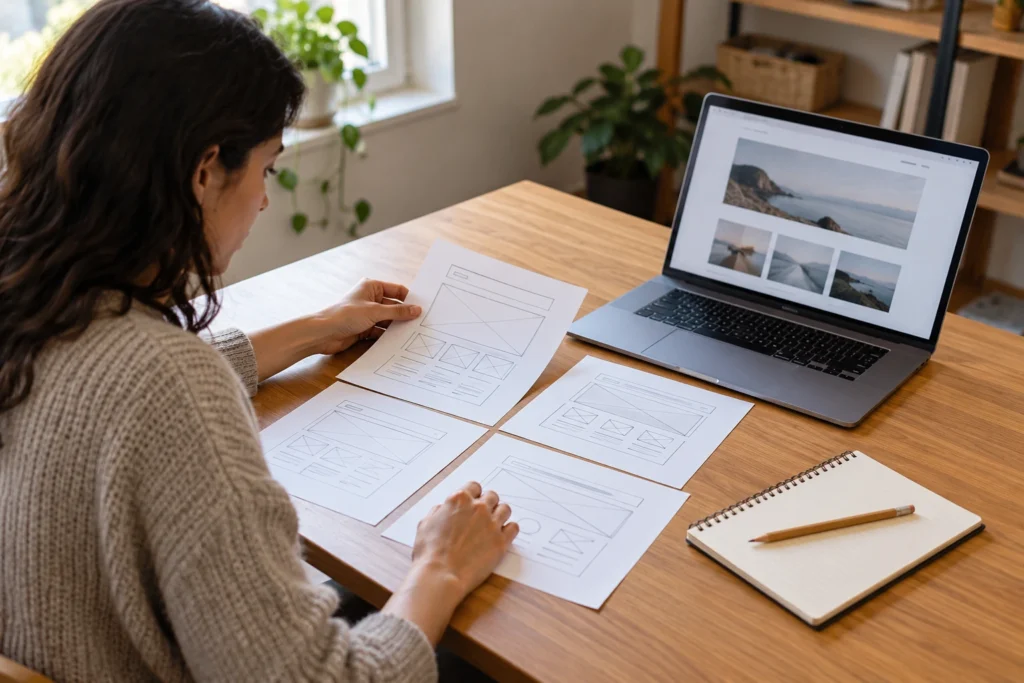
Most businesses want to jump straight into design, but the planning phase is where the real direction gets set. And none of this involves opening a design tool – not yet, anyway.
During discovery sessions, your web designers will dig into your business goals, target audience, and competitor sites. They’ll also run stakeholder interviews to gather insights from your team and pin down the project’s primary goal. We’ve kicked off enough Brisbane projects to know that skipping this step always catches up with you later.
Once that’s established, your designer maps out the scope, timeline, and deliverables. If the project complexity is high, this phase might take a couple of extra weeks. But that early groundwork saves you from costly revisions and a website that doesn’t reflect your brand or speak to your audience.
How Site Architecture and User Flows Are Mapped Out
Before any visual design work begins, your development team maps out the site architecture. This means deciding which key pages your website needs and how users interact with the navigation, forms, and content (you’d be surprised how often this gets overlooked).
Here’s what this stage covers:
- User-Friendly Navigation: Your site’s menu should guide people from one page to the next without confusion. A Brisbane accounting firm, for example, might need separate user flows for individual tax returns and business advisory, so each audience finds the right service in two clicks or fewer.
- Logical Page Hierarchy: If your pages have unclear calls to action or buried content, visitors will leave, and Google will struggle to rank your site. Every website project needs a structure that search engines can crawl and index properly.
A solid architecture also makes future updates easier because your development team won’t have to rework the foundation every time you add a new page or service.
Visual Design and User Experience
If you’ve ever landed on a website and immediately felt like you could trust the business, that’s good design doing its job. And honestly, visitors make up their minds in seconds. So your colour palette, typography, and visual hierarchy all need to reflect your brand identity straight away.
Your web designer will present mockups before development begins. These let you see the layout, visual style, and aesthetic appeal of your pages while changes are still easy to make. You’ll also want the design to follow website accessibility guidelines so people using screen readers or mobile devices can browse without barriers.
That said, user experience isn’t just about how a site looks. The right balance between visual design and usability keeps visitors engaged and guides them toward your contact form or enquiry page.
Building a Website: What Happens During the Development Process

Once you sign off on the approved designs, your web developer and development team start writing code and building out every page, layout, and interaction (this is usually where clients start getting excited).
But here’s something most clients don’t expect: you’ll usually get access to a staging site before anything goes live. This lets you click through pages, test forms, and flag anything that feels off while the build is still in progress.
Your team handles a few moving parts at this stage:
- Content Management System Setup: A team member configures the right platform so you can manage content and update pages without calling a developer every time.
- Mobile-Friendly Responsive Design: Every page needs to work across mobile devices, tablets, and desktops. Your development team follows mobile-friendly website design standards so responsive behaviour stays consistent.
- Third-Party Integrations: If your website project needs booking systems or payment gateways, your developer wires those in during this phase.
That staging site is your safety net through all of this. If something looks wrong or doesn’t work the way you expected, this is the cheapest and easiest time to fix it.
Quality Assurance and SEO Tools Before Launch

You’d be surprised how many websites go live with pages that don’t load properly on mobile or links that lead nowhere. Quality assurance is the stage where your development team catches all of that before anyone else sees it. So, we can’t stress this one enough.
We’ve launched enough sites to know exactly where things tend to break if you rush this stage. Your team checks page speed, usability testing across devices, and whether the site meets website performance standards set by Google. They’ll also review the entire website for broken links, bug fixes, and display issues across browsers.
On the SEO side, your team configures seo tools like Google Search Console and Google Analytics to track your site’s visibility from day one. They set up meta titles, alt text, SSL certificates, and sitemaps so search engines can crawl all your pages properly.
What to Expect During the Launch Phase
Now, let’s look at what happens on launch day. The launch phase is when your development team moves the site from staging to a live server and points your web address to the new website (those first 48 hours really do count).
Here’s a quick snapshot of what gets handled:
| Task | What Happens |
| DNS Migration | Your domain gets connected to the live site so visitors can find you |
| Performance Monitoring | Your team watches for downtime, slow pages, or unexpected errors |
| Analytics Setup | Google Analytics and tracking codes go live alongside your website |
| Final Content Review | Every page gets a last check for typos, missing images, or formatting issues |
Your launch date should also include time for testing contact forms and confirming all the tools from quality assurance still work. A Brisbane café launching a new website, for example, would want to test their online booking form and make sure menu PDFs download correctly on both desktop and mobile.
Your New Website Is Just the Starting Point
Getting your website live is a big milestone, but the real value comes from what happens next. Regular content updates, security patches, and performance monitoring keep your site loading quickly, ranking well, and attracting visitors month after month. Without that ongoing attention, even a well-built site can slowly drop out of Google’s results.
And you don’t have to figure that out on your own. At JDDST, our Brisbane web design team works with you well beyond launch day. If you’re ready to start a website project with people who know every stage of the website development process, get in touch with us today.